Guests, Technology

Why Virtual Reality Could Be the Key to Remote Team Engagement with Dan O’Connell

Wayne Turmel sits down with Dan O'Connell, co-founder of BrandLab360, to explore the innovative world of virtual workplaces and how they are reshaping remote work. Dan shares insights into their platform, Virtual HQ, and how it allows teams to collaborate in immersive, 3D environments without the need for VR headsets. They discuss the evolution of remote work tools, the advantages of avatar-based interactions, and the gamification of work to keep employees engaged. Wayne and Dan also dive into the psychological benefits of these virtual spaces and how they compare to traditional video calls like Zoom and Teams.

Key Takeaways

  • How BrandLab360 evolved from fashion showrooms to virtual workspaces.
  • The unique features of Virtual HQ and why it stands out from other remote tools.
  • The psychological and social advantages of using avatars in remote meetings.
  • Why companies should consider gamification in remote work environments.
  • The potential future of hybrid work in the metaverse.

Timestamps

0:00 Introduction to Dan O'Connell and Virtual HQ
2:00 How Virtual HQ is Different from Zoom and Teams
4:45 The Importance of Human Relationships in Virtual Spaces
7:30 Gamification and Fun in Remote Work
10:30 Why Avatar-Based Meetings are More Engaging
14:00 Overcoming Tech Barriers for Virtual Workspaces
17:00 Features to Look for in a Virtual Office Platform
20:00 Closing Thoughts and Where to Learn More

Related Episodes

Additional Resources

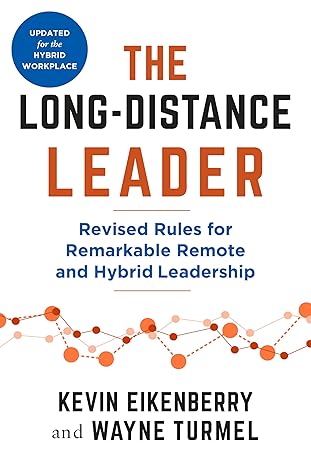
Order The Long-Distance Leader

Perfect your remote leadership skills with the updated edition of "The Long-Distance Leader" by Kevin Eikenberry and Wayne Turmel, featuring new principles and proven strategies for today's hybrid work environments.

The Long-Distance Leader
Read More
Ask Wayne Anything, Hybrid Work

Is Your Hybrid Work Strategy a Mule or a Platypus?

Wayne Turmel and Marisa Eikenberry dive into the hybrid work debate, comparing two very unlikely animals: mules and platypuses. Wayne introduces his humorous yet insightful analogy, explaining how a “mule” model of hybrid work is intentional and strategic, while a “platypus” model is a chaotic, unplanned combination of different parts.

They discuss the challenges many organizations face when trying to make hybrid work “work” and provide practical advice on moving from a disjointed model to one that serves both teams and the business. With the rapid evolution of remote and hybrid environments, the question becomes: is your team a well-planned mule or a hodgepodge platypus?

Key Takeaways

  • What hybrid work really means and why most companies are just coping rather than strategizing.
  • The difference between a mule and platypus approach in hybrid work.
  • How strategic hybrid teams balance not only where but also when work happens.
  • Practical steps to move from a platypus hybrid model to a mule-like, intentional approach.
  • The importance of understanding both asynchronous and synchronous work in a hybrid setting.

View Full Transcript

00;00;07;26 - 00;00;08;18
Marisa Eikenberry
Welcome back to the.

00;00;08;18 - 00;00;19;13
Marisa Eikenberry
Long distance work life. We help you live, work and thrive in remote and hybrid teams. I'm Marissa Eikenberry, a fellow remote worker, and joining me is my co-host and remote work expert, Winter Bell. Hi, Lynn.

00;00;19;16 - 00;00;21;23
Wayne Turmel
Hello, Marissa. How are you?

00;00;21;25 - 00;00;23;21
Marisa Eikenberry
I'm great. How are you?

00;00;23;23 - 00;00;32;17
Wayne Turmel
I am fine. For the uninitiated, we are recording this on the Friday before a long weekend and things may get silly. Is.

00;00;32;20 - 00;01;03;02
Marisa Eikenberry
We're ready to go. But anyway, we're also talking about something silly, so that that helps. But lately, in articles and stuff, when you've been talking about hybrid in the sense of do you want a mule or a platypus? And which, first of all, I think it's hilarious. But why don't we start off with can you explain how that analogy applies to remote models or hybrid?

00;01;03;02 - 00;01;37;13
Wayne Turmel
Well, there are there are grown people basically saying, I don't want a mule or a platypus. What are you talking about? So here is what is I have been spending a lot of time thinking, writing, talk to customers about hybrid work, and I realized that most of what we call hybrid work isn't okay. at best, what most teams are doing, most organizations are doing is a hostage negotiation.

00;01;37;15 - 00;01;38;22
Marisa Eikenberry
Sounds about right.

00;01;38;24 - 00;02;01;07
Wayne Turmel
How much can we make them come into the office before they quit? And how much can we whine and complain about not going into the office before they fire us and we settle on? Okay, come in three days a week. And that's kind of it. And that works kind of, sort of that doesn't make anybody ecstatic, but it gets stuff done.

00;02;01;07 - 00;02;29;07
Wayne Turmel
It's fine. But the problem is that it is not a strategy. It is a coping mechanism. And as a result, you get some weird problems with it. I go into the office and I can't get anything done because people are stopping by my desk and they want to have meetings I hadn't planned for, and there's somebody's birthdays, or there's cake in the break room, and I can't get anything done.

00;02;29;07 - 00;02;45;03
Wayne Turmel
But when I work from home, where I used to be able to get stuff done, now I'm on zoom meetings from morning till night, and that's one of the problems when you've kind of negotiated one problem but haven't really thought about the others.

00;02;45;06 - 00;02;46;04
Marisa Eikenberry
Right?

00;02;46;06 - 00;03;22;00
Wayne Turmel
So the question leaving aside mules and platypuses is do you want to have a strategically planned hybrid work system, or do you just want to have this kind of ad hoc thing? Which got me thinking about animals? I'm getting to the point. I swear. I know it got me thinking about animals. What is a hybrid? In biological terms, a hybrid is the offspring of two different animals or biological entities.

00;03;22;00 - 00;03;51;16
Wayne Turmel
You can have hybrid axes, but in this case two different animals, which creates a third animal which is a unique beast. So the classic example is a mule. Yes, it's part horse and part donkey. But if you've ever encountered mules, you know that they are their own distinct thing and another mule is going to be more like a mule than it is its parent.

00;03;51;18 - 00;03;52;17
Marisa Eikenberry
Right?

00;03;52;19 - 00;04;23;03
Wayne Turmel
So I started thinking about other animals that are kind of a mash up, and the one that struck me a because it's hysterical, and B because it's a really good example is the platypus, which, as you and I have discussed, Marissa is essentially God had spare parts lying around and created this thing with a duckbill and a beaver tail and poisonous toenails on its back feet, and because why not?

00;04;23;10 - 00;05;07;13
Wayne Turmel
And that's the whole point, is, from an evolutionary standpoint, all of those things developed for a good reason. But evolution is slow. And as the environment changes around it. The corpus has a lot of stuff that just doesn't make any sense anymore. And if the environment is changing very quickly so that it is rapidly becoming endangered and there are fewer places on the planet, it's geographic, where you find them geographically is shrinking and shrinking and shrinking, and it's just kind of like, I know there's a reason it evolved.

00;05;07;13 - 00;05;36;22
Wayne Turmel
Poisonous toenails, but probably every time they introduce a new, predator into the environment, they know that you have poisonous toenails. And so they stay away from that. Right. And so applied. And plus, while it continues to exist, it's kind of an evolutionary dead end, and it can't suddenly change direction and become something else.

00;05;36;25 - 00;05;38;12
Marisa Eikenberry
Right. That makes sense.

00;05;38;14 - 00;06;07;09
Wayne Turmel
So a mule is carefully chosen for very specific things. It's replicable and it will continue to be useful and exist for a very long time. A platypus has been left to its own devices. And, you know, if you live in the right part of Tasmania and and you don't bother them too much, they're fine. But they're not expanding, they're not growing, they're not becoming more plentiful.

00;06;07;12 - 00;06;20;03
Wayne Turmel
Right. Because they've just kind of been allowed to evolve. And the way that they've evolved has responded slowly to changes in their environment. But there's no plan to it.

00;06;20;06 - 00;06;31;19
Marisa Eikenberry
Right? So okay, so if mule is considered the true hybrid, what are some elements of successful hybrid work models that you're highlighting in this?

00;06;31;21 - 00;06;41;12
Wayne Turmel
Yeah, the big thing about hybrid work is most people think work. Hybrid work is what work gets done. Where.

00;06;41;14 - 00;06;42;19
Marisa Eikenberry
Right.

00;06;42;21 - 00;07;23;04
Wayne Turmel
And a hybrid a truly hybrid work experience is, yes, what work gets done where, but also when it introduces the concept of time, the idea of there are times when asynchronous work is preferable and is really good, and there are times when perhaps we need to be together. So, a platypus team, for example, might say, yeah, we're in the office three days a week, and the days when you're not, we want you logged in the same time as the people in the office.

00;07;23;04 - 00;07;36;12
Wayne Turmel
And when you logged out, when they're gone. Right. So that essentially, yes, you are free to work wherever you want, but by golly, you better be available when Nancy in accounting wants you.

00;07;36;14 - 00;07;44;17
Marisa Eikenberry
Right. And it's different if you're, you know, customer support or something like that, where those hours are really important. But, you know, if you're a web developer, does it really matter?

00;07;44;17 - 00;07;52;07
Wayne Turmel
Well, well. And if in my case, I live three time zones away from you and Kevin.

00;07;52;10 - 00;07;53;14
Marisa Eikenberry
Right?

00;07;53;17 - 00;08;14;09
Wayne Turmel
Right now I'm an early bird. So fortunately my body clock in my brain starts very early in the morning. So I kind of sort of keep East Coast hours, but I don't have to. Right. There are certain number of hours in a day where we want overlap.

00;08;14;12 - 00;08;17;18
Marisa Eikenberry
Yeah. When you and I talk about available.

00;08;17;21 - 00;08;49;09
Wayne Turmel
Yeah. When you like I talk about stuff when we have team meetings there is time that we need to overlap. But generally speaking Kevin doesn't track my time. I'm getting stuff done. You're getting stuff done. It's all cool. you know, again on a platypus team. Great. I have to come into the office three days a week, so I fight traffic and I show up in a bad mood, and I throw my coat over my chair, and I try to concentrate, and people are bugging me.

00;08;49;09 - 00;08;52;12
Wayne Turmel
And then at the end of the day, I pick up my coat and I leave.

00;08;52;15 - 00;08;53;03
Marisa Eikenberry
Right.

00;08;53;05 - 00;09;24;24
Wayne Turmel
Well, that kind of work maybe doesn't need to be done amongst all those other people. And when other people are asking for your time, right. And hybrid teams that are really effective maximize the what, where and when. So when they are in the office together that's when the collaboration, the team building, the social niceties occur and people aren't worried about checking stuff off their list.

00;09;24;27 - 00;09;30;29
Marisa Eikenberry
Right. Yeah. They plan the day around being in the office essentially.

00;09;31;01 - 00;09;45;17
Wayne Turmel
Absolutely, absolutely. And conversely, if I'm in the office three days a week, I do not expect to be on zoom calls from morning till night when I'm working away from the office, because a lot of that should have happened when we were together.

00;09;45;20 - 00;09;46;26
Marisa Eikenberry
Right?

00;09;46;28 - 00;10;08;00
Wayne Turmel
The idea of meetings, right. When do we hold meetings? Well, maybe we hold meetings when people are there as opposed to not right. so hybrid teams take this into account and even meetings are different. Let me give you an example. On a good mule team. And I don't mean mule team like calling the.

00;10;08;02 - 00;10;09;04
Marisa Eikenberry
Dope mules.

00;10;09;06 - 00;10;42;13
Wayne Turmel
On a mule type team. You are going to have a meeting to brainstorm something. Well, there's an asynchronous component up front. Let's put all the ideas in teams before we get there, and we, as good teammates, will have read it and thought about it and actually be prepared to discuss it when the meeting starts so that the meeting is actually spent doing valuable stuff, sorting through ideas, defending, studying, figuring it out.

00;10;42;18 - 00;10;55;10
Wayne Turmel
At the end of the meeting, we're pretty sure we have a choice, and we've all left meetings and been halfway down the hall and go, oh man, you know what I should have said? Or you know what, I didn't ask. Oh my God, we didn't think about that.

00;10;55;13 - 00;10;55;25
Marisa Eikenberry
Right?

00;10;55;28 - 00;11;15;27
Wayne Turmel
Well, on an asynchronous team, you go back and say, hey, I know we thought about this. Here's what we need to think about for our next meeting. Has anybody got an answer for this? You can talk me off the ledge because I think this is kind of important. and they maximize what work gets done when.

00;11;15;29 - 00;11;16;23
Marisa Eikenberry
Right. That makes sense.

00;11;16;29 - 00;11;47;11
Wayne Turmel
And it's conscious. It's intentional. Now, let's be fair. It's a lot easier to do this with a startup or a team or a project that is just coming to fruition than it is to fix the boat when it's in the water, right? And it doesn't mean it can't be done, of course. But the big thing, the whole point of metaphor of the mules and the platypuses is, are you intentional?

00;11;47;17 - 00;11;58;05
Wayne Turmel
Do you know what you want that team to accomplish? I'm doing research for a new novel right now, so I'm fascinated with mules. That's how this whole thing started.

00;11;58;08 - 00;11;59;25
Marisa Eikenberry
Okay.

00;11;59;27 - 00;12;13;21
Wayne Turmel
And what I found is that mules can carry far more weight than horses. they consume less water than camels on long rides.

00;12;13;24 - 00;12;14;10
Marisa Eikenberry
Okay.

00;12;14;12 - 00;12;40;10
Wayne Turmel
And their feet are designed for rough terrain, right? Because their feet are much more like donkey feet than, which means for certain jobs, i.e. anything involving the desert mules are way more helpful than horses. Horses are prettier and more expensive, and all of that and donkeys are smaller, and there's only so much you can do with them.

00;12;40;13 - 00;12;50;10
Wayne Turmel
But mules are bred for very specific things, and every mule is going to have those particular things in them.

00;12;50;12 - 00;12;53;14
Marisa Eikenberry
Right. That makes sense. It's intentional.

00;12;53;17 - 00;13;19;12
Wayne Turmel
It's intentional. And so that's a that's where the metaphor came from. Lest you think I do nothing all day but think of weird things. but when I started thinking about applying that to work and being intentional about how you form your team, so many teams are formed because, well, okay, here's what we got. So how do we make this work?

00;13;19;12 - 00;13;36;19
Wayne Turmel
And we got to make sure everybody's happy. And you know, yes, the work has to get done. But we'll just do this. And then they find out that it's not working. And now what do we do. And so it's little tweaks and adjustments rather than taking a long term view.

00;13;36;22 - 00;13;54;04
Marisa Eikenberry
So if a user and or user listener is on right now and maybe they realize that, you know, their organization has this platypus type hybrid model, what are some steps that they can take to kind of transition into a more mule like model?

00;13;54;07 - 00;14;24;21
Wayne Turmel
Yeah, there are questions and there are plenty of questions in the long distance leader. Some of the resources and things that you can get. If you sign up for the book on our website, you can get, resources and checklists for things. But the biggest thing is what is the work that needs to be done? Who needs to do the work, and what's the best optimum way for that work to get done?

00;14;24;26 - 00;14;40;09
Wayne Turmel
And if you can answer those, it starts to become fairly clear. Oh, this is something that does need to be, you know, the widgets need to be taken from the warehouse to a truck that's not going to happen any other way.

00;14;40;11 - 00;14;43;29
Marisa Eikenberry
Right? Right. Yeah. Some stuff becomes very obvious.

00;14;44;01 - 00;15;05;04
Wayne Turmel
Yeah, some stuff is very obvious. Other stuff is like, do we really need to be in the office, or do we need to be doing that job from 9 to 5, whatever it is? And if the pandemic has taught us nothing, it's there are lots of jobs that can be done remotely that nobody thought about.

00;15;05;06 - 00;15;07;06
Marisa Eikenberry
Yeah. Or thought couldn't be done remotely.

00;15;07;07 - 00;15;28;21
Wayne Turmel
Or thought couldn't be done. And man, maybe we need to do this. So the big thing that I want people to take away is what work needs to be done when and to be very intentional about that. And you might be wrong the first time.

00;15;28;24 - 00;15;29;20
Marisa Eikenberry
Yeah.

00;15;29;22 - 00;15;36;10
Wayne Turmel
You may not get it right the first time. but you're in this for the long haul.

00;15;36;12 - 00;15;37;08
Marisa Eikenberry
One would hope.

00;15;37;10 - 00;16;09;13
Wayne Turmel
Hopefully. And so that's the thing about the hybrid work. And there are advantages, right? if we need to be in the office all the time and we need to hire new people, people will say, oh, we need to hire the absolute best, most talented people out there. And what they really mean is we need the best, most talented, smartest people out there who live within a 20 minute drive of the office right?

00;16;09;16 - 00;16;15;05
Wayne Turmel
If the best talent is what is most important to your business.

00;16;15;07 - 00;16;15;25
Marisa Eikenberry
They might be three.

00;16;15;28 - 00;16;34;24
Wayne Turmel
How much does location matter? Yeah, exactly. So these are the types of questions. So the whole thing about mules versus platypuses is a very long, convoluted, slightly amusing way of framing your thinking as you think about what your team should look like going forward.

00;16;34;26 - 00;16;52;24
Marisa Eikenberry
Real quick before we wrap up, you know, as hybrid work continues to evolve and continues to get more prevalent, do you think that organizations are going to be strategic and develop these mule like models, or do you think that platypus style models are going to remain prevalent?

00;16;52;27 - 00;17;29;05
Wayne Turmel
I think there's always some of it. Human beings are not great at strategic thinking, the ones who are very good at it. But human beings in general do not think very strategically. we're often reacting to the crisis de jure. I think again, new companies, startups, projects that are just getting under way have an advantage because you have a short period of time where you can actually stop and think about what you're doing before the work starts.

00;17;29;08 - 00;17;30;15
Marisa Eikenberry
Right?

00;17;30;17 - 00;17;41;23
Wayne Turmel
So I'm trying to. Not be too judgmental about people that aren't because we're all doing our darndest here.

00;17;41;25 - 00;17;53;21
Marisa Eikenberry
Yeah, yeah, we're trying our best. Right. But Wayne, thank you so much for these insights and why. You know, you have the that, hybrid versus platypus model or.

00;17;53;23 - 00;18;00;11
Wayne Turmel
You walk around with this brain and see what kind of stuff you come up with is all I'm saying.

00;18;00;14 - 00;18;03;29
Marisa Eikenberry
I'll choose not to, but that's another day. All right?

00;18;04;06 - 00;18;07;05
Wayne Turmel
Not a bad choice, by the way.

00;18;07;07 - 00;18;26;20
Marisa Eikenberry
Okay. But anyway, thank you so much. And before we go, I want to let all of you listeners know that the second edition of The Long Distance Leader, which if you're watching on video, I have right in front of me, it is now available. And this updated guide is perfect for navigating today's remote and hybrid work environments with new principles and proven strategies.

00;18;26;20 - 00;18;57;20
Marisa Eikenberry
Kevin, like Mary and Wayne Trammell, show you how to lead effectively no matter where your team is located. Don't miss out on the latest insights and exercises designed to boost productivity and morale. Order your copy now! At Long Distance Work life.com/l d l and strengthen your remote leadership skills today. And thank you for listening to the long Distance work life for Shownotes transcripts and other resources, make sure to visit Long Distance worklife.com if you haven't yet, subscribe to the podcast so you won't miss any future episodes.

00;18;57;23 - 00;19;14;22
Marisa Eikenberry
And if you're on Apple or Spotify, please give us a rating or review. Your feedback helps us improve and reach even more listeners. Just like you. Feel free to contact us via email or LinkedIn with the links in our show notes, and let us know that you listen to this episode, or even suggest a topic for Wayne and I to tackle in a future episode.

00;19;14;28 - 00;19;32;16
Marisa Eikenberry
We would love to hear from you. Thank you for joining us. And as Wayne like to say, don't let the whistles get you down.

00;19;32;18 - 00;19;32;23
Marisa Eikenberry


Timestamps

00:00 Introduction
01:05 Hybrid Work Explained
02:30 Mules vs. Platypuses
04:20 The Platypus Problem
06:10 What Makes a Good “Mule” Hybrid Model?
08:45 Hybrid Work Strategies
10:30 Asynchronous Work and Its Benefits
12:00 Building Intentional Hybrid Teams
14:00 Steps to Transition from Platypus to Mule
16:40 Closing

Related Episodes

Additional Resources

Order The Long-Distance Leader

Perfect your remote leadership skills with the updated edition of "The Long-Distance Leader" by Kevin Eikenberry and Wayne Turmel, featuring new principles and proven strategies for today's hybrid work environments.

The Long-Distance Leader
Read More
Guests, Leadership, Working Remotely

Using DISC Assessments for Better Remote Teamwork with Guy Harris

Wayne Turmel welcomes Guy Harris, co-author of From Bud to Boss with Kevin Eikenberry and the expert behind DISC assessments at DISCpersonalitytesting.com. Guy shares insights into how DISC assessments can help remote teams communicate better, understand different behavior styles, and improve collaboration. Wayne and Guy explore common misuses of these assessments, how they can be effectively applied in leadership, and the unique challenges remote leaders face when interpreting team dynamics. Tune in for actionable tips on using DISC in a remote or hybrid work environment.

Key Takeaways

  • Introduction to DISC assessments and their relevance to remote work 
  • The value of behavior-based assessments in team dynamics 
  • Misconceptions and misuse of DISC assessments 
  • How DISC can help prevent misunderstandings in remote teams 
  • Why understanding different communication styles is critical for remote leadership 
  • Using DISC to guide, not judge, remote team members 
  • The importance of avoiding exclusion in remote teams 
  • Practical tips for applying DISC to remote leadership 

View Full Transcript

00;00;08;06 - 00;00;47;07
Wayne Turmel
Hello, everybody. Welcome once again to the Long Distance Worklife Podcast, the podcast where we help you thrive, survive, and generally keep the weasels at bay in the evolving world of remote and hybrid work. My name is Wayne Turmel. Marissa is not here today. That's the bad news. The good news is that we have a really excellent interview with a good friend of mine and all around good Egg, and we are going to be talking about assessments in remote work and disk assessment in particular.

00;00;47;14 - 00;00;57;12
Wayne Turmel
And so for that, I am going to welcome my buddy and coworker and very, very smart guy, guy Harris guy, how are you?

00;00;57;14 - 00;00;59;16
Guy Harris
I'm doing great. Wayne, how are you?

00;00;59;19 - 00;01;09;28
Wayne Turmel
I am ridiculously well glad I have an excuse to talk to you. This is one of the things about remote work is there are people you don't talk to nearly often enough.

00;01;09;28 - 00;01;11;03
Guy Harris
That is fair. Yep.

00;01;11;05 - 00;01;35;06
Wayne Turmel
Now, Guy, besides being the coauthor with Kevin, but the boss is also the brains behind discpersonalitytesting.com. This is a Kevin Eikenberry company. Full disclosure, but Guy, can you tell us a little bit about what is the disc assessment and why the heck do we care.

00;01;35;06 - 00;01;58;26
Guy Harris
So the disc assessment is, behavior based assessment. We use words interchangeably like behavior style, communication style. But in our line of work comment, leadership and conflict resolution and team building those kind of things, it's an assessment to help identify what a person's personal blend of traits would be, using the Disc model of human behavior as the language to describe those those traits.

00;01;58;26 - 00;02;16;23
Guy Harris
So it's attempting to find an objective way to describe human behavior that can be sort of subjective in and of itself or or attempting to objectify human behavior so that we can better identify differences between us so that we can communicate better.

00;02;16;23 - 00;02;39;19
Wayne Turmel
And we're going to talk about what Disc is and isn't and what it should be, and what it often gets used for and for. Dear listener, your information, and yes, we use Disc in our organization. There are plenty out there. By last count. I am a Idi enfj blue green otter, I believe.

00;02;39;19 - 00;02;51;14
Guy Harris
Well, and there's exactly the issue was behavioral health assessments. There are, I don't know how many. There are more than I can keep track of. And I think the value of it is just having a common language. So like pick something and use it in your team.

00;02;51;16 - 00;03;07;07
Wayne Turmel
Yeah. Let's talk about that. What is the value of this kind of assessment in a really down and dirty. Why do I care that guy is an ass and somebody else is something else. Why does that matter?

00;03;07;09 - 00;03;29;18
Guy Harris
It comes down to better understanding the differences between us. Here's a rough correlation. It's kind of like knowing before you engage with someone that they speak only Spanish as opposed to you speaking English, so that you're prepared to make the translation in a similar way. We have different ways we engage and interact and focus and preference, all that kind of stuff.

00;03;29;18 - 00;03;58;25
Guy Harris
Even though we're all using English, at least we are. we're going to speak it and interpret it and perceive it slightly differently. And, the Disc model or any behavior based model helps us get closer and closer to understanding how another person might interpret what we say and do, and also help us better interpret what they say and do, so that we're basically trying to read other people's behaviors through their filters, not through our own personal filters.

00;03;58;28 - 00;04;19;12
Wayne Turmel
Yeah. And I think one of the ways I always think about it is it's not analysis, but it gives you a pretty good idea. For example, if you and I work together in the office exactly together, I would very quickly learn that I don't go to guy without numbers data. The statistics you.

00;04;19;12 - 00;04;21;25
Guy Harris
Would pick up quickly because you would see that they did they.

00;04;21;27 - 00;04;46;03
Wayne Turmel
Quickly. Yes. Yeah. The look of horror and borderline disgust on your face as I ramble on would tell me that I need to work with Guy in a certain way, right? If we work apart from each other and we don't have that social exposure to each other, it's kind of helpful for me to know. And it's going to perhaps prevent some drama.

00;04;46;06 - 00;05;04;12
Guy Harris
Oh, absolutely. Because you're not going to have those day to day real life clues on, hey, here's how I adjust to work with Wayne, or here's how I talk to Marissa. Here are things that she cares about or he cares about, and assessments going to help you get there faster and with less stress and frustration. Hopefully because you have a frame of reference to engage with people.

00;05;04;12 - 00;05;35;09
Wayne Turmel
Now, it's funny because one of the things that seems counterintuitive since this personality testing.com sells not only individual assessments, but also team reports. So if you've got, you know, five people on your team and they each take the assessment, the report will tell you, here's what the impact of that is. Yes. All of that being said, I'm going to do something counterintuitive, which is ask you, how do people use these things wrong?

00;05;35;14 - 00;05;36;26
Wayne Turmel
Well, what do we know?

00;05;36;26 - 00;05;58;15
Guy Harris
I think it's excellent because, well, I mean, a quote and, the quote that resonates with me is all models are flawed. Some of them are useful. So, the disc model is a model of behavior. It's not a perfect predictor. It has flaws and limitations and all that kind of stuff. I acknowledge it openly. So in order to use it well, you got to know how you shouldn't use it.

00;05;58;17 - 00;06;20;25
Guy Harris
Well, one of the ways you don't want to use it is to get what I would say, overly prescriptive with it. So as we were just talking about it does give me a general idea how to better interpret and understand another person. And it's actually really good in retrospect to like, hear what somebody said or observe what somebody did and go, oh, I think I better understand that because I understand their behavior style.

00;06;20;27 - 00;06;46;21
Guy Harris
It's really not good to like, try to constrain somebody and predict with certainty how they're going to respond. So a good example is I can know for a fact. I can know from the disc model looking at that, Wayne's results go, probably wouldn't be ideal if the first thing I do is dump a bunch of data on his plate and ask him to interpret it, or try to persuade him with data, it's probably going to be a different approach.

00;06;46;21 - 00;07;06;23
Guy Harris
It's probably more of an interactive thing, probably. Let's talk about this rather than, hey, here's all my 17 levels of research, and I could run into a situation where I share something with Wayne and he says, do you have some data to support that? So I don't want to get prescriptive, like Wayne is capable or not capable of doing a job because of the style.

00;07;06;26 - 00;07;14;24
Wayne Turmel
that's a little things. A lot of people, you know, a lot of people come to us and they want to use whatever the assessment is, whatever.

00;07;14;24 - 00;07;15;12
Guy Harris
The assessment is.

00;07;15;16 - 00;07;19;02
Wayne Turmel
Whatever, you know, whether you're a lion or an otter or whatever it is.

00;07;19;02 - 00;07;20;23
Guy Harris
Whatever language you use to describe it. Yes.

00;07;20;23 - 00;07;34;20
Wayne Turmel
But they want to use that in hiring to say particularly around remote work. So and so is a good candidate for remote work, or so-and-so is not a good candidate for remote work.

00;07;34;24 - 00;07;56;14
Guy Harris
I think it's overly prescriptive. It does it help to kind of understand fit in a team and maybe the kind of things people might gravitate to or might not gravitate to. Does it give you a good framework for asking questions to see what people's preferences are? Yeah, absolutely. Do I want to use it to decide in advance this person's capable or not capable of doing something?

00;07;56;16 - 00;08;09;13
Guy Harris
I don't think it says that it it doesn't talk about work ethic. It doesn't talk about preference. It doesn't talk about the necessarily the kind of work people like. There are inferences not conclusions. You can draw from the well.

00;08;09;13 - 00;08;17;19
Wayne Turmel
And whenever I hear somebody say fit for a team, I get a little shiver down my question.

00;08;17;19 - 00;08;20;09
Guy Harris
And yeah, you got to be really careful how far you go with that.

00;08;20;12 - 00;08;36;05
Wayne Turmel
You know? For example, even on the most analytical team, I think you need a jeopardy expert on your team. And by that I mean you need somebody who is not laser focused but knows a whole bunch of stuff about.

00;08;36;05 - 00;08;40;09
Guy Harris
Oh, I think you're right. Yeah. Because there's a risk of getting too much groupthink.

00;08;40;11 - 00;09;04;06
Wayne Turmel
Exactly. Right. That's that's a concern. Now, how do you let's say we all take there are six members of our team, and we all take the disk. But just assessment as a leader, how do I use that in a way that is useful and constructive and not like saying, oh, everybody be nice to guy because he's a C.

00;09;04;08 - 00;09;26;07
Guy Harris
Yeah. So, I think in terms of taking like a holistic view of the role first, and I would very seldom say a single person should make that determination, like several people, probably with different looks at the job, different types of interaction, different different behavior styles in and of themselves. We'll look okay. What what does does it take to be successful in that role.

00;09;26;07 - 00;10;00;04
Guy Harris
And once I understand that, I go, okay, probably the person who's successful in this role, I mean, the type of environment they work in demands a lot of dark traits or demands a lot of this, or it may not traits, behaviors, DNC behaviors, or CNS behaviors, whatever the combination is. And then I could probably look at like, potential candidates for the job and think, and use that as a way to guide my interview questions so that I'm investigating a person's comfort with certain things, rather than using it as a filter that says you must have the style to have the job.

00;10;00;04 - 00;10;12;04
Guy Harris
So it's more of like it guides me and how I engage with the person for the interview process. And knowing that interview processes are also flawed, because we bring our biases and stuff to the table.

00;10;12;06 - 00;10;15;24
Wayne Turmel
Basically nothing works, so nothing works. So why should we bother?

00;10;15;27 - 00;10;41;02
Guy Harris
Is like, yeah, I think it's like we should acknowledge there are some limitations for anything we do, and let's just acknowledge those limitations and then work within them so that this model can help you guide your interaction with the person so you understand where they're coming from better. I don't think you really want to use it as a filter that says they must meet this criteria to have the job so it fits in the helped me understand the person better category rather than a let me force this.

00;10;41;05 - 00;10;43;29
Guy Harris
Well, let me force this person through a filter kind of thing.

00;10;43;29 - 00;10;55;22
Wayne Turmel
Now, one of the things that I love about you is that you are a unabashed geek and you love rolling around in the numbers and seeing what I do.

00;10;55;22 - 00;10;57;09
Guy Harris
I do love numbers. Yes.

00;10;57;11 - 00;11;00;29
Wayne Turmel
Yes, more than you like people, which is fine.

00;11;01;01 - 00;11;03;29
Guy Harris
significantly more. Yeah, yeah.

00;11;04;02 - 00;11;27;11
Wayne Turmel
Which is lovely. Somebody has to do a brother and it's not me, but I'm curious. There's the assessment and then there's the team report, which uses a really fascinating algorithm to say if your team has four of people who are heavy in one area, right. Maybe. Right. It's really a good report. And you can get a free sample of one of those reports.

00;11;27;12 - 00;11;46;09
Guy Harris
There's a sample report on this first night testing.com. So you can see if it provides the kind of information you like. Yeah. And actually the report is intended as a discussion guide more than as a here's the thing about your team. It's more it says okay, here are patterns we see in your team. And here are some things you probably want to get as a leader.

00;11;46;09 - 00;12;06;18
Guy Harris
You want to engage with your team about to identify. Are we having some groupthink around these issues? Are we excluding? Like for example, if my team gravitates really heavy to the DNC, traits are we tending to exclude people who have a more relational perspective and not, like, discount their input because it's not important to the five of us.

00;12;06;23 - 00;12;23;01
Guy Harris
So therefore it's not important or are we looking at taking taken apart, going, oh look, we we might inadvertently discount this perspective because it's not ours. And maybe we should listen to that input or seek that input out, because it's not natural for us to consider that.

00;12;23;03 - 00;12;51;06
Wayne Turmel
And given that one of the most corrosive behaviors on remote teams is exclusion, yes. That's very easy to have happen, right? Very easy to naturally gravitate towards people who think and act like us. Absolutely. And therefore, you know, Marissa and Guy are going to drill down on this thing because what use is Wayne going to be? He might be and Wayne might be feeling left out of this.

00;12;51;08 - 00;13;11;05
Guy Harris
And Wayne might see something that never even occurred to Guy Marissa because it's like, oh, but this is obvious to us. Surely don't have a question about that. And yet Wayne or Barb or Kevin looks at and goes, hey, what about oh, I guess we didn't answer that question because it's so obvious to us, right? And like, ignore that input or discount it rather than value it.

00;13;11;08 - 00;13;20;06
Wayne Turmel
Now, you've been doing this a long time and rolling around in in the numbers. What have you learned that surprises you.

00;13;20;13 - 00;13;24;14
Guy Harris
About the Dis model or assessments in general?

00;13;24;16 - 00;13;27;29
Wayne Turmel
whatever jumps into your dinky little brain.

00;13;28;02 - 00;13;55;13
Guy Harris
I think it's kind of like my journey in using the model is because engineer by training, really analytical by nature. I started my journey using the disk model. I was guilty of being over prescriptive and like, oh, I know this about you. I know that your style, therefore I know all this stuff about you and it's the realization or insight over time just how dynamic people are and how careful I have to be in assumptions I make about people.

00;13;55;13 - 00;14;16;28
Guy Harris
So that's one of the things that has, like the developing in my journeys, like, hey guy, slow your roll a little bit. Let me maybe you shouldn't jump to conclusions about that person so fast. Maybe you should take the assessment. Yes. Use that as a way to understand and like the phrase I use a lot is I want to remain curious, not judging.

00;14;16;28 - 00;14;36;26
Guy Harris
So the model helps me, actually heighten my curiosity when I gauge that people have a different style because now I'm like, wonder. Like, well, how do you see this? It. I think we see things differently. Help me understand that. As opposed to, oh, I know your style. Therefore I know how you see things. So it's more it helps me engage the people in a better way.

00;14;36;26 - 00;14;41;27
Guy Harris
And it's it's been really kind of cool to learn all the different ways people express their own style.

00;14;42;03 - 00;15;04;07
Wayne Turmel
Just one last question. Specifically when it comes to remote teams is there's something, a leader, one thing that a leader should consider, when it comes to the disc model that is not necessarily unique, but very specific to the remote workplace.

00;15;04;08 - 00;15;27;05
Guy Harris
I think it's something you touched on, is that tendency to either isolate from the team or to only connect with people who it's really easy and natural to interact with, because there's not the organic. I'm kind of forced to interact with people in the office that if I have to send an email or engage with them on instant messaging platform or something, I kind of have to have some initiative or intentionality to do that.

00;15;27;05 - 00;15;49;02
Guy Harris
It won't just accidentally happen. And so one thing I think unawareness for leaders is to look for places where people either isolate from or only interact with those that are like, super comfortable to interact with and start to have little clicks within the team, or only certain people that interact with each other, intentionally or unintentionally exclude certain members of the team.

00;15;49;02 - 00;16;00;04
Guy Harris
Don't invite them into the conversation. Those are the things I'd be looking for, because the remote environment sort of lends itself to reinforce that behavior. If leaders are not intentional about trying to break it down.

00;16;00;07 - 00;16;25;19
Wayne Turmel
Guy, thank you so, so much for you listeners out there. this personality test Inc.com, we will have links to that and to Guy in the show notes. show notes, of course, are at long distance work life.com. If you have questions, comments, vicious personal attacks, ideas for topics that you want us to talk about or people you want us to talk with, drop us a line.

00;16;25;19 - 00;17;04;10
Wayne Turmel
Wayne. At Kevin. I can become Marissa at Kevin. I can barricade them. And very exciting stuff. September 17th is the launch of the second edition updated version of the Long Distance Leader revised rules for remarkable remote and hybrid Leadership. we're very excited about this. Kevin. And I, wrote the original six years ago. Little has changed in the world since then, and so we urge you to check that out if you are familiar with the book, there is new content, particularly around hybrid teams.

00;17;04;17 - 00;17;29;29
Wayne Turmel
If you are unfamiliar with the book, now's a really good time to get on the stick. Anyway, thank you so, so much for joining us. We are super excited you did! If you enjoyed the show, please like and subscribe. You know how podcasts work and next week we will be back in a really fun conversation with Marissa. Meanwhile, I am Wayne Trammell.

00;17;29;29 - 00;17;35;15
Wayne Turmel
Thanks for joining us on the long distance work life. Don't let the weasels get you down. Hey.


Timestamps

0:00 Intro: Guy Harris & DISC Assessments
1:35 What is the DISC assessment?
2:50 Why DISC matters in leadership and remote teams
4:10 Preventing misunderstandings with DISC
5:45 Common mistakes when using DISC
7:00 Applying DISC to remote team leadership
8:35 Avoiding exclusion in remote teams
10:05 How to use DISC reports for team building
11:45 New Book: The Long-Distance Leader
12:50 Final thoughts and links

Related Episodes

Additional Resources

Order The Long-Distance Leader

Perfect your remote leadership skills with the updated edition of "The Long-Distance Leader" by Kevin Eikenberry and Wayne Turmel, featuring new principles and proven strategies for today's hybrid work environments.

The Long-Distance Leader
Read More
Revised Rules for Remote Leadership: What's New in The Long-Distance Leader, 2nd Edition
Guests, Hybrid Work, Leadership, Surviving Remote Work, Working Remotely

Revised Rules for Remote Leadership: What’s New in The Long-Distance Leader, 2nd Edition

Marisa Eikenberry interviews special guest Kevin Eikenberry and co-host Wayne Turmel about the newly revised second edition of The Long-Distance Leader. Together, they explore the biggest changes in remote work and leadership since the book’s first release in 2018. Kevin and Wayne share insights on navigating the evolving world of hybrid work, the impact of technological advancements like Zoom, and the critical balance between synchronous and asynchronous work.

Whether you're an established leader or new to remote teams, this conversation offers actionable strategies to thrive in a hybrid environment. Tune in to learn how remote leadership has transformed, what hybrid work truly means, and how you can stay ahead in the remote work revolution.

Key Takeaways

  • What’s changed in remote leadership since 2018? 
  • The rise of Zoom and its impact on work culture 
  • Challenges of hybrid work and how to overcome them
  • The difference between remote-first and remote-friendly workplaces 
  • How the second edition of The Long-Distance Leader addresses modern leadership needs 
  • Kevin’s upcoming book on flexible leadership 
  • Surprising trends in remote work: Who really wants to stay remote? 
  • The importance of intentional leadership in hybrid teams 
  • View Full Transcript

    00;00;08;01 - 00;00;35;20
    Wayne Turmel
    Hello everybody, and welcome to another episode of The Long Distance Work Life, the podcast designed to help you thrive. Survive, and generally keep the weasels at bay as we navigate the world of remote work, hybrid work, and how the workplace has changing. Today, we have a very different kind of show. Ordinarily, if it's Marissa and I, we chat and discuss the topic.

    00;00;36;02 - 00;01;07;19
    Wayne Turmel
    otherwise I interview guests. But today, because we are talking about a very special book that Marissa will tell you about, I am playing the role of hot shot author, or at least co hot shot author is our friend and boss and colleague Kevin Eikenberry. And we will be discussing the second edition, newly revised version of the Long Distance Leader Revised Rules for Remarkable Remote and Hybrid Leadership.

    00;01;07;19 - 00;01;16;04
    Wayne Turmel
    And I got that out the first time. Yay! But Marissa, you are playing interviewer today, so you are running the show lady.

    00;01;16;05 - 00;01;33;06
    Marisa Eikenberry
    Thank you. And so, as we already said, we're going to talk about the second edition of The Long Distance Leader, which was written by Kevin and Wayne, and it's a book that's been a cornerstone for remote leaders, set its first release in May of 2018, and so much of the world has already changed as far as leadership and remote work.

    00;01;33;06 - 00;01;43;01
    Marisa Eikenberry
    And so we're going to dive into what's new in the second edition, and how leaders can navigate the evolving challenges of leading from a distance. So, Kevin, thank you for joining Wayne and I today.

    00;01;43;04 - 00;01;49;01
    Kevin Eikenberry
    I'm glad to be here. you know, this is I think it's I think this is only the second time I've been on the show, so.

    00;01;49;08 - 00;02;09;13
    Marisa Eikenberry
    Yeah, second or third. So we're excited to have you back. And I hope that our listeners are excited as well. So one of the things that I want to start off with first, so as we already said, the book came out in 2018. So much of the world has changed since then. So what are some of the biggest shifts that you've observed since the rise of remote work?

    00;02;09;17 - 00;02;32;28
    Kevin Eikenberry
    Biggest shifts? You know, I think that I I'll just say this. I think that we are in the middle of living in a time where time has been compressed. And here's what I mean. Like the nature of the workplace usually changes in takes like 50, 60, 70 years for that sort of adjustment to sort of filter through, being tested, being tried, being sort of, acclimate the world, the society being acclimated to it.

    00;02;33;12 - 00;02;53;00
    Kevin Eikenberry
    and in this one, it largely happened in like eight weeks and then over two years. And so what I think all of the changes, all the challenges, all the frustrations, all of the stuff that you guys talk about here on a regular basis are in part because we're living in this very compressed time of change that we've not ever experienced in the workplace.

    00;02;53;00 - 00;03;09;24
    Kevin Eikenberry
    Like we could go back and talk about since the Industrial Revolution and all that sort of stuff. But that's, to me, the most fascinating thing about all this, like human dynamics show up, people's people's, wants and needs show up and their and their tendencies around change show up. And it's all because of that to me.

    00;03;09;27 - 00;03;17;15
    Marisa Eikenberry
    Yeah, absolutely. And and we've talked on the show before to your point about eight weeks. It's like zoom went from, what is that to a verb?

    00;03;17;18 - 00;03;18;09
    Kevin Eikenberry
    It really.

    00;03;18;09 - 00;03;20;19
    Wayne Turmel
    And then from to is syndrome, right.

    00;03;20;19 - 00;03;22;11
    Marisa Eikenberry
    Yeah. Zoom fatigue and all that.

    00;03;22;11 - 00;03;50;04
    Wayne Turmel
    Yeah I think Kevin's absolutely right. The, the kind of seismic change. And yet what is both interesting and frustrating is how little it has changed. Right. some of that is because the change was already underway when the kind of crossing the Rubicon moment happened. And the other thing is, I think there's this desperate attempt to go back to the before times.

    00;03;50;10 - 00;03;55;15
    Wayne Turmel
    So we're not really embracing what's changed and launching from that point.

    00;03;55;17 - 00;03;56;12
    Marisa Eikenberry


    00;03;56;14 - 00;03;57;02
    Wayne Turmel
    Well that's the key.

    00;03;57;02 - 00;04;15;17
    Kevin Eikenberry
    So it's, it's that it's that tension between the, the future and and and and so many things are pulling us forward. And yet so many of us and I'll say us are holding us back with the way it used to be and the good old days. And why can't we all be in the office and 100 other things like that, right.

    00;04;15;19 - 00;04;22;14
    Kevin Eikenberry
    It's that tension. That's where this is so interesting. and really where so much of the conversation ends up lying, I think.

    00;04;22;15 - 00;04;36;11
    Marisa Eikenberry
    Well, and, you know, just a second ago, I mentioned, you know, zoom went to a verb. And when you guys wrote the book, tools like zoom and even Microsoft Teams didn't exist yet. So how have those communication tools transformed the way that we work?

    00;04;36;14 - 00;05;01;04
    Wayne Turmel
    So I think that it's it's transformed in two ways. One is it's normalized them. I mean, when the book first came out, one of the big lessons was use your webcam. Well, now, you know, people understand it's not going to steal your soul. And everybody, including your grandmother, has been on a zoom call and they know kind of what that's about.

    00;05;01;04 - 00;05;22;22
    Wayne Turmel
    So I think, you know, the the novelty of the technology. The other thing is that, you know, I'm going to give you a very quick analogy. When I started my consultancy, 18 years ago, there were 120 web meeting platforms out there. Everybody was inventing a new one all the time, and then it kind of collapsed into the top five, right?

    00;05;22;22 - 00;05;46;14
    Wayne Turmel
    There's WebEx and there was Skype for business and whatever. And now we have gone through another one of those collapsing where at the beginning of the pandemic, there were a thousand tools out there and people had enough already. It's not that we don't love technology, it's that we've got work to do. And they were kind of looking for one ring to rule them all.

    00;05;46;21 - 00;06;09;12
    Wayne Turmel
    And so we've settled into there's kind of the Google universe, there's the slack zoom universe, and there's Microsoft Teams. And you can argue whether teams was designed by Sauron or not. But at the end of the day, people are looking for ways to get the work done with as little drama and pain about technology as possible.

    00;06;09;15 - 00;06;29;21
    Kevin Eikenberry
    Right. And drag. Can I just make a comment? and this will probably take us off track for what you're planning, Marissa. But that that that webcam comment that, that Wayne made is exactly right. And and yet here's this tension. And yet when I'm with groups regularly, I still have people saying, do we really have to use our webcams?

    00;06;29;21 - 00;06;47;01
    Kevin Eikenberry
    Like so everyone now has use them. And yet in some ways, the message that we had in 2018, Wayne hasn't completely changed because the reasons they don't want to may be different, right? The reason they may want to not want to use them might not be the same that a still in there. So I'll see in my living room all that stuff.

    00;06;47;07 - 00;07;02;10
    Kevin Eikenberry
    But but the but the the fact that some people don't want to be on them is still there. And that's one of those tensions. Right. Like that. The drag on it, the ease of doing it all, that's gotten better. And yet we're not all really there. It's just a small example of what we talked about earlier.

    00;07;02;11 - 00;07;18;26
    Marisa Eikenberry
    Speaking of all of that kind of stuff too. So like one of the things that you guys have added into this new edition of the book is a lot of discussion about hybrid. And so what are some of the unique challenges and opportunities for hybrid work presents compared to a fully remote or a fully in office setup?

    00;07;19;00 - 00;07;36;05
    Kevin Eikenberry
    I think the single biggest thing, and it's really not rocket science, the single biggest thing to me is that if we're going to have a hybrid workplace where some or all of the people are going to be in the office some of the time, then we ought to use those days as appropriate. And so what I always say is not every workday should be the same.

    00;07;36;08 - 00;07;56;11
    Kevin Eikenberry
    The day should go to the office, ought to be different kinds of day. It's more likely you're going to collaborate to have those those serendipitous conversations. that's the chance to work with a mentor. That's the chance to do side by side training. Like we ought to make sure that we're taking advantage of those days and then releasing people when they're back home to get more, have more productivity with fewer meetings, etc..

    00;07;56;13 - 00;08;06;19
    Kevin Eikenberry
    So to me, that's the single biggest thing that's relatively easy to implement. And yet I'm still seeing most organizations not doing that very well.

    00;08;06;22 - 00;08;50;26
    Wayne Turmel
    Well, and part of that, I think, is because they're looking at going back to the office says, okay, we are now primarily in the office again. And the people who are working remotely are outliers, or they will adjust because we're in the office. What I think one of those seismic changes that Kevin was referring to earlier is that companies that are starting now are much more comfortable with the remote workplace and trying less to cram it into the old model than companies where the boat's already in the water and you're dealing with memories of before time and sunk costs and all kinds of things.

    00;08;50;26 - 00;09;06;21
    Wayne Turmel
    So that's another one of the changes is that if I'm starting a company and I don't need a big office and I don't need to be all the time, cool, but if I've already got that infrastructure, I'm already paying for it.

    00;09;06;21 - 00;09;08;14
    Kevin Eikenberry
    Wayne. Right.

    00;09;08;17 - 00;09;15;26
    Marisa Eikenberry
    Well, it goes back to the conversation we've had before about remote first versus remote friendly and how they're very, very different.

    00;09;15;29 - 00;09;39;26
    Wayne Turmel
    Well, and one of the challenges with that is that there's a tendency for leaders to fall back into old habits. And so there are some pitfalls with hybrid work primarily being proximity bias that, you know, it's really easy to look across the room and see somebody. So they get involved in the conversation and somebody gets excluded. Not intentionally.

    00;09;39;26 - 00;09;51;06
    Wayne Turmel
    I'm not, you know, not including somebody. It just doesn't happen naturally. And so that dynamic needs to be navigated well.

    00;09;51;06 - 00;10;07;21
    Kevin Eikenberry
    And then we think everybody knows whatever the thing is. And yet oh, well, we didn't know what sent an email or a slack message or send it. It's put some in the teams channels. So the only the everybody that knows are those that are here. I mean, we used to have that once in a while when someone was home sick or on vacation.

    00;10;07;21 - 00;10;29;12
    Kevin Eikenberry
    Right. But that just happens way, way, way more often now and again. Not intentional just happens. We've got to be, you know, one of the messages from the first version of the book and still in there is that word of being intentional, like making conscious choices, stepping back from our routines and our habits, from the auto utter response to, to doing what is the the best thing given the situation.

    00;10;29;13 - 00;10;42;23
    Marisa Eikenberry
    Well, and Wayne, you just mentioned a minute ago about companies that are starting now are more comfortable with remote work and so, you know, how should organizations approach hybrid work differently, whether they're an established team or they're newly forming?

    00;10;42;25 - 00;11;09;06
    Wayne Turmel
    I am like a dog with a sock on this particular topic. I think you have to be very careful about using the word hybrid. Are you, in fact doing hybrid work or or are you doing, you know, remote friendly work? With the focus in the office, a hybrid? If we're going to be really technical and semantic about it, a hybrid is two things coming together to create a third entity.

    00;11;09;08 - 00;11;28;18
    Wayne Turmel
    You know, a mule is a horse and a donkey, but as an old farm boy, a mule is a mule. I mean, it is its own thing. And I think over time we are going to develop this third way of working, this hybrid work that is not only who works where, but the element of time gets folded in.

    00;11;28;20 - 00;11;38;14
    Wayne Turmel
    So it's what work gets done where and when that work gets done. And the balance between synchronous and asynchronous is going to be very different.

    00;11;38;14 - 00;11;54;20
    Kevin Eikenberry
    I think that's huge. And I think, you know, you know, when it in the in the first book we, we introduced that we used the word hybrid. And and I wish that I could I wish that everybody on the internet would say, oh, these guys created that that phrase for the hybrid team, which, no, we can't, we can't say.

    00;11;54;22 - 00;12;12;23
    Kevin Eikenberry
    But when we use that word, that's what we meant even in 2018. Right. And and I think it's it's not it's not always meaning that. But ultimately that's what that's what it needs to mean. And organizations that figure out how to do it that way, if that's the way they want to do work, will have a competitive advantage.

    00;12;12;26 - 00;12;29;28
    Marisa Eikenberry
    So, Kevin, you know, you've had the Kevin Like Mary group for over 30 years. And we've been a hybrid team for a very, very long time. And so if you were starting a business today, if you were starting this business today, what would you do differently than you did when you started?

    00;12;30;00 - 00;12;46;24
    Kevin Eikenberry
    Well, what I do different than when I started it, different than what I would do, knowing what I know now, I suppose. Yeah. but I think that in terms of, how I hired who I, where I look for the hiring pool, I don't think it would change. Much like, I think that, you know, I do have a separate building.

    00;12;46;26 - 00;13;21;17
    Kevin Eikenberry
    That's where I'm sitting right now, that Marissa, you come to two days a week, but only if I'm here. Right? and I think there would still be a place, it would be like it is. And it's not. Wouldn't. How's everybody? Because not everyone would be. How? Isabel? Because they're all across the country. I'm not sure. I mean, there's lots of things that that we could do different about our business, but in terms of how it's set up, I'm not sure I would change that much because I think that what we have works not only works for us, but we're generally I, you know, while there's always room for improvement, we're relatively productive.

    00;13;21;25 - 00;13;31;05
    Kevin Eikenberry
    There's there's good relationships. we have we're able to collaborate. And I don't think that having us all in the same place, or even less so, would make any difference.

    00;13;31;07 - 00;13;32;23
    Marisa Eikenberry
    Yeah, that makes a lot of, you know.

    00;13;32;23 - 00;13;57;11
    Wayne Turmel
    What I'm going to I'm going to mildly contradict that. Okay. when I joined the group, I lived in Chicago. Most of the people were in, most of the people were there, and we communicated it a little bit differently. We got together more often. We spoke more often, I think, because the longevity of the people on our team has been there for a while.

    00;13;58;00 - 00;14;23;05
    Wayne Turmel
    Kevin's comfort level as the boss with waiting, you know, letting people get their work done and trusting that we will come to him proactively if there's something that needs to be addressed. I think the way and the comfort level with that is different than it was even a few years ago. As you know, the decision was made.

    00;14;23;05 - 00;14;28;15
    Wayne Turmel
    We're not going to focus on hiring people in Indianapolis. We're not going to.

    00;14;28;17 - 00;14;29;22
    Kevin Eikenberry
    Right. so, I mean, I'm not.

    00;14;29;22 - 00;14;32;28
    Wayne Turmel
    Disagreeing with I think Kevin's comfort level and skill level.

    00;14;32;28 - 00;14;46;01
    Kevin Eikenberry
    Yeah, I, I won't disagree with that either. and yet, I think if the question is about being willing to, to bring people from different places. Yeah. Like, I mean, I think part of the reason we write the book, The Long Distance Leader and why we write a second edition of it, is to help people continue to build those skills.

    00;14;46;01 - 00;15;03;16
    Kevin Eikenberry
    Right. And I think that that's the question we get asked a lot now. Marissa is okay, why a second version of the book? And people say, well, yeah, we get it that the world is different, but do we still need this book? Because we've all been many of us been doing this for 2 or 3 years. I said, well, we've all needed new, more leadership training, even though we've been leading for longer than that.

    00;15;03;16 - 00;15;26;26
    Kevin Eikenberry
    And I think a lot of people have have haven't really locked into some of these things that maybe they know because they've done it for a few years. And I think the idea of this book is in part to not only show us what's different and changing, but also what we need to make sure we're really doing well, that I'm I'm pretty confident not all leaders of remote hybrid distributed teams are doing.

    00;15;26;29 - 00;15;36;23
    Marisa Eikenberry
    So for people who are reading the book or, you know, once they do read the book, what are some actionable steps that they can take, both organizationally or even professionally. After reading?

    00;15;36;23 - 00;15;55;16
    Kevin Eikenberry
    Okay, here's a short answer and then I'll let you go. Wayne. The short answer is don't just read it. Do something like you will determine when you read it, what those most actionable steps are. And I think we've written a book that is actionable and that gives you very specific things that you can go do. In fact, every chapter tells you, gives you some examples.

    00;15;55;18 - 00;16;08;12
    Kevin Eikenberry
    But the point that I'm making is that it the best thing you can do is go take action on whatever those most important things are to you, because it would be a bit presumptuous for Wayne and I to determine which two things those would be for an individual leader.

    00;16;08;12 - 00;16;32;00
    Wayne Turmel
    I just think that, you know, the the most dangerous thing is to think you've got it all figured out. And one of the challenges that we're hearing from our clients is, oh, we know that people could use a little help, but we've done remote, right? We did remote training during Covid. People know what they're doing now, and we never entirely know what we're doing.

    00;16;32;00 - 00;16;49;00
    Wayne Turmel
    And there's some backsliding and there's some things that we thought people knew that they're not doing. And so maintaining that skill development is really important. And I know that sounds self-serving. since that's the business we're in. Okay. But it also happens to be true.

    00;16;49;03 - 00;17;07;06
    Kevin Eikenberry
    Yeah. There's a difference between knowing something and doing something. Right. it's a and there's a big gap there a lot of the times. And so I, you know, I think Wayne and I are, are coming to that same point, like if you or if your organization did some training on remote, that's fine. That's great. but the question is how is it going now?

    00;17;07;13 - 00;17;20;17
    Kevin Eikenberry
    And if it's not going in the ways you'd like it to go, or you think it could be better, then I'm confident you'll find nuggets in this book. in the second edition of this book that would help you as a leader, but also help the leaders in your organization.

    00;17;20;17 - 00;17;29;22
    Marisa Eikenberry
    So we've gone from leader to teammate to team. Kevin, what's next for you in the world of remote and hybrid work? What's the next thing you're focusing on?

    00;17;29;22 - 00;17;49;10
    Kevin Eikenberry
    Well, I'm I'm writing a new book that's not specifically about that, but it is about the future of work. In some ways it comes out next, next March. And maybe I can convince you guys to have me on to talk about the flexible leader. or flexible leadership when, when that time comes down the road. So but it's not specifically or solely about remote.

    00;17;49;10 - 00;18;01;07
    Kevin Eikenberry
    The word remote doesn't show up or hybrid doesn't show up in the title. But certainly, there are hat tips and conversations about not only what we've been going through as lessons, but also what we do moving forward as well.

    00;18;01;10 - 00;18;15;12
    Marisa Eikenberry
    That's great. And Wayne, I know that hybrid work has been something that you've been talking about a lot. You mentioned the mule versus, you know, donkey earlier. So what are some aspects with hybrid that you're obsessed with exploring right now?

    00;18;15;14 - 00;18;41;00
    Wayne Turmel
    I think it's that being intentional about the balance of synchronous and asynchronous work. You know, my favorite example is we've all walked into meetings and had to sit there while, you know, all the preamble and context is created. Well, we could do a lot of that beforehand. And then the meeting happens. And then we've all walked out of meetings and halfway down the hallway we've got oh, man, you know what?

    00;18;41;00 - 00;19;06;26
    Wayne Turmel
    I should have said is correct. And so there is getting together in collaboration time. And then there's thinking and planning time on both ends, which can make way better use of our time and result in better outcomes. And so it's what does that hybrid work look like and how do we get better, smarter, faster about it is kind of where my brain is at.

    00;19;06;28 - 00;19;22;19
    Marisa Eikenberry
    Yeah. Well I'm excited to do some episodes about that in the future. And before we wrap up, I have one last question. So other than the pandemic, which obviously changed a lot of things about remote and hybrid work, what is one surprising change in remote work that you didn't anticipate?

    00;19;22;22 - 00;19;45;17
    Wayne Turmel
    It's it's who wants remote work? one of the things that the numbers are showing is people thought that the youngsters wouldn't want to go to the office, and they all want to stay home and, you know, do their work. Between playing video games, no young people want to go to the office. They're early in their career. They're more socially program.

    00;19;45;17 - 00;20;05;11
    Wayne Turmel
    And they they want to learn and soak up the knowledge and the culture of the company, the people that are most demanding, remote work are middle managers, people in the middle of their career who know how to do their job, and they just want to do it, and they want to do it in a way that they can do it best.

    00;20;05;11 - 00;20;16;01
    Wayne Turmel
    They want some flexibility in their time. So some of the assumptions about who is going to want to work remotely have not proven to be the way we thought they were.

    00;20;16;07 - 00;20;50;15
    Kevin Eikenberry
    I think the thing part of part of I think I shared part of my answer earlier with this whole compacting of the timeline, but I but I will say that I think that it's been a bit surprising and I think generally hopeful and helpful that, we've, we've added in a whole other conversation, not just about the where and the when of work, but the why of work, which is, which is, people wanting to have a better sense of, of why they're there and what and finding meaning in their work and how they hook.

    00;20;50;23 - 00;20;51;09
    Wayne Turmel
    Work.

    00;20;51;14 - 00;21;09;08
    Kevin Eikenberry
    To life. Right. Which has been messy for a long time, got messier when people were working from the place that they live. But I think the the ongoing conversation about all of that, I think is generally healthy, and we need to keep thinking about it as individuals, for ourselves, but also as leaders in organizations.

    00;21;09;11 - 00;21;16;27
    Marisa Eikenberry
    Kevin, I know that, you know, when this episode comes out, we're about to have virtual con. do you want to talk a little bit about that before we wrap up?

    00;21;17;02 - 00;21;43;27
    Kevin Eikenberry
    Yeah, I can just very quickly. So, you know, back at the start of the pandemic, I had this harebrained idea that we should, when no one was having doing any training and couldn't get away, couldn't do that. So we created this thing we called virtual Leader Con, and we've continued to do it. It's evolved somewhat, but, on September 17th through 19th, we're doing two and a half days where we will have a bunch of experts join me, to on a, a virtual platform that allows for lots of participation and engagement.

    00;21;44;00 - 00;22;01;29
    Kevin Eikenberry
    And we're going to bring those leaders in, those thought leaders in to have conversations with, with our participants from around the world to talk about what matters. And I think the thing that makes a difference than a podcast or a webinar or other those kinds of things, is that that the the direction of the, of the conversation is guided much by the people that are there.

    00;22;01;29 - 00;22;24;05
    Kevin Eikenberry
    So we'd love to have you join us. It's completely free virtual contact. Com and I think the thing that specifically relates to this show is that that first half day on September the 17th, Wayne will be joining me at the beginning, and at the end we'll be we'll be doing a Q&A, but we'll have three guests, and that whole session will be about the future of work, hybrid work, and all those sorts of things.

    00;22;24;05 - 00;22;40;09
    Kevin Eikenberry
    So if you're listening to this show, you definitely want to join us that half day virtual leader. Contact. Com. And if you decide you wanted to have the recordings and transcripts of those sessions, you can get them for free if you preorder a book. And I know that's where you're headed is to talk about that. That is our I'll let you be.

    00;22;40;09 - 00;22;45;14
    Kevin Eikenberry
    I hope that we'll have you all join us at Virtual Con. And, and thank you guys for having me on the show.

    00;22;45;21 - 00;23;09;17
    Marisa Eikenberry
    Yes. Thank you so much for being here. And, Wayne, as always, thank you so much for joining me for this conversation. And before we go, as we've already been discussing, the second edition of The Long Distance Leader is available for preorder and will be launching on September 17th. As we just talked about a minute ago, and this updated guide is perfect for navigating today's remote and hybrid work environments with new principles and proven strategies.

    00;23;09;24 - 00;23;32;09
    Marisa Eikenberry
    Kevin and Wayne show you how to lead effectively no matter where your team is located. Don't miss out on the latest insights and exercises designed to boost productivity and morale. Preorder your copy now at Long Distance Work life.com/lvl and strengthen your remote leadership skills today. And listeners, thank you so much for listening to the Longest and Spark Life version ups, transcripts, and other resources.

    00;23;32;10 - 00;23;55;13
    Marisa Eikenberry
    Make sure to visit Long Distance worklife.com if you haven't yet. Subscribe to the show so you don't miss any future episodes. And if you're on Apple or Spotify, please give us a rating and review. Your feedback helps us improve and reach more listeners just like you. Feel free to contact us via email or LinkedIn with the links in our show notes, and let us know that you listen to this episode, or suggest a topic for Wayne and I to tackle in a future episode.

    00;23;55;14 - 00;24;15;29
    Marisa Eikenberry
    We would love to hear from you and thanks for joining us. And it's Wayne. Like to say, don't let the weasels get you down. Hey.

    00;24;16;01 - 00;24;16;13
    Marisa Eikenberry
    You.

    Featured Guest

    Name: Kevin Eikenberry

    Bio: Chief Potential Officer of The Kevin Eikenberry Group and co-author of Long-Distance Leader


    Timestamps

    00:00 Intro: Welcome to the Show
    01:33 What’s New in The Long-Distance Leader, 2nd Edition?
    04:22 Zoom Fatigue and Remote Work Tools
    07:02 Hybrid Work: Challenges and Opportunities
    09:08 Remote-First vs. Remote-Friendly Workplaces
    11:09 Building Trust in Hybrid Teams
    15:03 What You’ll Learn from The 2nd Edition
    17:29 Kevin’s Next Project: The Flexible Leader
    19:22 Who Actually Prefers Remote Work?
    20:50 Leading Hybrid Teams with Intention
    22:50 Virtual LeaderCon: Join Us!
    23:09 Wrap-Up and How to Preorder the Book

    Related Episodes

    Additional Resources

    Pre-Order The Long-Distance Leader

    Perfect your remote leadership skills with the updated edition of "The Long-Distance Leader" by Kevin Eikenberry and Wayne Turmel, featuring new principles and proven strategies for today's hybrid work environments.

    The Long-Distance Leader
    Read More
    Ask Wayne Anything, Leadership, Surviving Remote Work, Working Remotely

    The Long-Distance Leader’s Evolution and Its Ongoing Relevance

    This is a repost of one of our favorite episodes from The Long-Distance Worklife. As we approach the release of the 2nd edition of The Long-Distance Leader, we’re revisiting this special conversation where Wayne Turmel and Marisa Eikenberry celebrate the book's fourth anniversary. Wayne reflects on the unexpected changes in remote work since the original publication, how the book's advice has held up, and what to look forward to in the updated edition. Whether you’re new to the podcast or revisiting this discussion, it’s the perfect time to hear insights on leading from a distance.

    Key Takeaways

    1. The Unexpected Surge in Remote Work: How the pandemic accelerated trends and pushed remote work to the forefront.
    2. Stealth Remote Work: The hidden practice that many companies ignored until 2020.
    3. Evergreen Principles: Why the leadership principles in The Long-Distance Leader remain relevant, even as technology and work patterns evolve.

    View Full Transcript

    00:00:08:18 - 00:00:18:18
    Wayne
    Hello everybody. Welcome to The Long-Distance Worklife podcast. I am Wayne Turmel. Along with me is my co-host and copilot, Marisa Eikenberry.

    00:00:18:22 - 00:00:19:15
    Marisa
    Hi, everybody.

    00:00:20:09 - 00:00:41:23
    Wayne
    And this is the podcast. For those of you unfamiliar, where we're just trying to work our way through the world of long distance work, whether that's being a digital nomad, whether it's working from home full time or in the office some days or not, and bouncing back and forth. And it's a hybrid world. That's what we're doing today.

    00:00:41:23 - 00:00:47:01
    Wayne
    And Marisa chose today's topic and I am going to let her tell you what it is.

    00:00:47:23 - 00:01:03:14
    Marisa
    So at the time of recording this, we're celebrating the fourth anniversary of the book, The Long-Distance Leader, co-written by Kevin Eikenberry and my co-host Wayne Turmel. And we wanted to invite you into our celebration by hearing insights about the book straight from one of the authors. So, Wayne, if you're ready to dive in, I'm ready.

    00:01:04:00 - 00:01:08:11
    Wayne
    Yeah, it's always a little weird talking about your work, but I am happy to do it.

    00:01:09:11 - 00:01:19:09
    Marisa
    So one of the first things I wanted to start with is other than the obvious pandemic remote work surge, like what did you not expect to happen with remote work when you wrote the book?

    00:01:20:05 - 00:01:21:23
    Wayne
    You can't yadda yadd a third of the workforce

    00:01:23:19 - 00:01:24:02
    Marisa
    Fair.

    00:01:24:03 - 00:01:47:03
    Wayne
    For getting sent home. You can't do. It's like other than the invention of the telephone, what's changed in communication. The Long-Distance Leader and this is now the first of soon to be three books in the Long-Distance Worklife series. Long-Distance Leader came out in 2018.

    00:01:47:03 - 00:01:47:22
    Marisa
    Mm hmm.

    00:01:47:22 - 00:02:02:04
    Wayne
    And at the time, as I have explained to people who said, boy, you guys were in the right place at the right time, I felt a little bit like the crazy guy with the sandwich board walking up and down the street saying the end is nigh, man.

    00:02:02:13 - 00:02:21:13
    Wayne
    Now I just have a new sandwich board that says, "Told you." What has changed primarily and you can't discount this is that remote work was growing and it was growing at 30% a year, which is a lot.

    00:02:21:13 - 00:02:43:16
    Wayne
    Crazy high exponential growth. But what happened in 2020, of course, is that we got pushed across the Rubicon and all these people who said, well, we should have a policy and we should think about it and maybe we should experiment with remote work. And this is not a drill. This is real.

    00:02:44:00 - 00:02:44:10
    Marisa
    Right.

    00:02:44:22 - 00:02:54:18
    Wayne
    And some organizations went, yeah, okay. Because there was a lot of people doing what I call stealth remote work.

    00:02:55:04 - 00:02:56:10
    Marisa
    Okay. So what's that?

    00:02:56:22 - 00:03:06:12
    Wayne
    Stealth remote work was, "Where's Marisa today? Oh, her kid's sick. She's working from home. She'll take the conference call from home."

    00:03:07:03 - 00:03:07:12
    Marisa
    Okay.

    00:03:07:23 - 00:03:15:13
    Wayne
    Or somebody was working. I'm working on a project. It's impossible to get anything done in the office. I'm going to go home and work.

    00:03:15:22 - 00:03:16:06
    Marisa
    Right.

    00:03:17:03 - 00:03:21:21
    Wayne
    And a lot of organizations just pretended like this wasn't happening.

    00:03:23:09 - 00:03:24:00
    Marisa
    Hence the stealth.

    00:03:24:00 - 00:03:41:17
    Wayne
    I have a client, a big international company. And I remember distinctly walking through her office and her saying, "Wayne, I love you guys, but, you know, we don't do remote work. Everybody needs to come into the office." And I'm walking through the office and 50% of the desks empty.

    00:03:42:01 - 00:03:42:18
    Marisa
    Oh, my gosh.

    00:03:42:19 - 00:04:01:11
    Wayne
    They're obviously assigned. There's pictures of kids and cats and. Yeah, inflated birthday balloons. And I'm like, oh, so-and-so's in Denver today. So-and-so's kid was sick. If they are working and they are not at their desk, they are remote.

    00:04:01:11 - 00:04:01:23
    Marisa
    Right.

    00:04:01:23 - 00:04:16:18
    Wayne
    The organization had zero process in place for things like performance reviews and, you know, everything. Career path, everything was based on presence in the office.

    00:04:17:07 - 00:04:33:00
    Wayne
    Even though people weren't in the office and that was going on a lot. So what happened in 2020 is everybody got pushed out of the boat by a third of the workforce. And we have to remember it's only a third of the workforce.

    00:04:33:04 - 00:04:33:15
    Marisa
    Of course.

    00:04:34:05 - 00:05:04:04
    Wayne
    A third of the workforce suddenly found themselves in this situation. And the reactions, of course, ranged from what's the big deal? I've been doing this forever and I hear a lot of that. I hear a lot of people. And why is everybody so freaked out? Because I was doing this before the pandemic to oh, my gosh, we didn't think these jobs could ever be done remotely to I can't wait to get back in the office.

    00:05:04:09 - 00:05:04:18
    Marisa
    Yeah.

    00:05:05:15 - 00:05:17:07
    Wayne
    Right. So the big thing was this was building up, building up, building up. And then it happened. And fortunately for us, as, you know, mercenary weasel selling books.

    00:05:17:07 - 00:05:18:09
    Marisa
    Mm hmm.

    00:05:18:09 - 00:05:33:11
    Wayne
    We were there when that happened. And the response to Long-Distance Leader has been just overwhelmingly positive. And very encouraging. And of course, for our business, which is teaching.

    00:05:33:11 - 00:05:33:22
    Marisa
    Of course.

    00:05:33:22 - 00:05:37:13
    Wayne
    Stuff, that's not a bad thing either.

    00:05:37:20 - 00:05:55:15
    Marisa
    Right. So so with that, I know that in the book you guys have best practices and you have models and. Has anything from the book changed since you've written it? Anything that was a best practice. But maybe now that more people are remote, it's a little different.

    00:05:56:09 - 00:06:08:10
    Wayne
    I, I think what's happened with the book is the general principles are pretty solid. We wrote the book intentionally to be evergreen.

    00:06:08:17 - 00:06:09:03
    Marisa
    Right.

    00:06:09:07 - 00:06:19:16
    Wayne
    Right. But some things have happened. I mean, one of the things in the book is we're telling people, use your webcam, use your webcam, use your webcam, because there was a lot of resistance.

    00:06:19:16 - 00:06:20:06
    Marisa
    Yes.

    00:06:20:06 - 00:06:39:14
    Wayne
    And then Zoom came along. And it's fascinating from a watching technology thing. Right. Because Zoom went from this free niche product that nobody in corporate America was using to a verb, to a syndrome in 18 months.

    00:06:39:22 - 00:06:40:11
    Marisa
    Right. Well.

    00:06:41:01 - 00:06:47:02
    Wayne
    People are already now people are already ditching Zoom for their internal things like Teams.

    00:06:47:13 - 00:06:47:22
    Marisa
    Right.

    00:06:48:06 - 00:07:00:14
    Wayne
    Slightly different things. So use your camera. Use your camera. Use your camera. Now, people are on meetings from morning till night and they're suffering Zoom fatigue. And that's a very real thing.

    00:07:00:21 - 00:07:01:11
    Marisa
    Of course.

    00:07:01:18 - 00:07:14:22
    Wayne
    So the message is still use your camera a lot because it's a really good idea and use your head. Right. If you're one of 17 people on a meeting, nobody needs to watch you eat your sandwich.

    00:07:15:06 - 00:07:17:23
    Marisa
    Right. But one on one, you'll definitely want to turn it on.

    00:07:18:02 - 00:07:37:02
    Wayne
    The more the communication needs to be rich, the more it adds value. And it's just it's like everything else. Use your head when it adds value to it. And, you know, I just got back from the gym is a pretty lame excuse. If it's just you and a coworker. Right?

    00:07:37:02 - 00:07:40:05
    Marisa
    Right. Yeah. But if it's a full team meeting, a little different.

    00:07:40:17 - 00:07:53:06
    Wayne
    Exactly. So, you know, the the kind of it went it's shot way past use your webcam, to is it okay if we don't use our webcam sometimes?

    00:07:53:14 - 00:07:54:02
    Marisa
    Right.

    00:07:54:09 - 00:08:16:02
    Wayne
    So that was one thing that certainly happened. The other thing and again, it's a matter of degree and intentionality is we were we in the book talk a lot about how you need to be connected and rich communication. And what happened was people just automatically defaulted to the Web meeting.

    00:08:17:01 - 00:08:17:20
    Marisa
    Okay. Yep.

    00:08:19:02 - 00:08:32:08
    Wayne
    And it used to be in the glorious before times. One of the reasons you went home is so you got left alone to do your work. Right now, I'm point is that I'm in meetings back to back to back to back?

    00:08:32:21 - 00:08:34:14
    Marisa
    Yeah. When am I supposed to get my work done?

    00:08:34:21 - 00:08:43:14
    Wayne
    Yeah. And people are struggling with this. And so they as the pendulum always does, it's swinging to, well, we're going to have no me, no meetings Fridays.

    00:08:43:21 - 00:08:46:15
    Marisa
    Right. Yeah. We've been seeing a lot of articles about that lately.

    00:08:46:16 - 00:08:48:08
    Wayne
    That's fabulous for Friday.

    00:08:49:12 - 00:08:51:01
    Marisa
    What about Monday through Thursday?

    00:08:51:01 - 00:08:57:05
    Wayne
    And all the meetings that were going to happen on Friday and how you're shoehorning them into Monday through Thursday.

    00:08:57:13 - 00:09:00:06
    Marisa
    So Friday suddenly gets very stressful.

    00:09:01:01 - 00:09:31:23
    Wayne
    Exactly. So I think we are both blessed and intentionally so because the book was intended to be evergreen and I think it holds up pretty well. There are a couple of things that maybe we should reword, things like use your webcam and when you meet the like that. But I think overall it stands up pretty well and that's certainly the feedback that we're getting.

    00:09:32:10 - 00:09:46:23
    Marisa
    Yeah, absolutely. One of the other things I wanted to talk about and so, you know, you called The Long-Distance Leader, The Long-Distance Teammate. We are The Long-Distance Worklife. Why 'long-distance' as opposed to some of the other terms we see in remote work?

    00:09:48:21 - 00:09:58:19
    Wayne
    Because the language changes really quickly. And so rather than hook on to whatever we're using in the zeitgeist at this moment, when we didn't just invent our own darn word.

    00:09:59:16 - 00:10:00:09
    Marisa
    That's fair.

    00:10:01:12 - 00:10:04:14
    Wayne
    It's like it won't go out of style because it's ours, darn it.

    00:10:06:15 - 00:10:28:02
    Wayne
    You know, if you look at, for example, in 2018, when The Long-Distance Leader came out, the government was investing a buttload of money and still are. And people can say what they want about government work. But there were a lot of people giving thought to this even before the pandemic. But it was called telework or tele, right?

    00:10:29:02 - 00:10:47:14
    Wayne
    That was the word. And then suddenly nobody was using it. And then everybody was using remote. Well, you know, the whole idea of long distance is that it covers time, space and dimension. Right. It's not just physical separation. It's time zones. It's flexibility.

    00:10:48:08 - 00:10:48:17
    Marisa
    Yes.

    00:10:49:01 - 00:11:10:18
    Wayne
    Time flexing and and those types of things. So, I mean, it's it's a word we could brand around it. If you were being completely cynical and honest, you know, in the interest of full, transparent. See, to our viewers, these are the kind of decisions you make when you're writing a book. But it turned out to be a pretty good one.

    00:11:11:12 - 00:11:11:19
    Marisa
    Yeah.

    00:11:12:09 - 00:11:37:11
    Wayne
    As we move towards a more hybrid kind of thing, as we move towards a hybrid working arrangement, the point is that some of the people are going to be further away than others. And that might mean just far enough that you only come into the office a day or two a week. So the long commute doesn't really hurt as much to being on the other side of the planet.

    00:11:37:20 - 00:11:46:13
    Marisa
    Yeah, we're seeing a lot of digital nomads. I know there was even a digital nomad conference meet up something recently. I know those are happening all over the place.

    00:11:46:13 - 00:11:49:16
    Wayne
    Irony of that. The irony of that is lost on nobody.

    00:11:49:16 - 00:11:53:07
    Marisa
    I realize. But yeah, I mean, they.

    00:11:53:09 - 00:11:56:11
    Wayne
    Let's all get together to talk about how we can be anywhere and do this.

    00:11:56:22 - 00:12:12:08
    Marisa
    Well. And I can't think of the country right now, but I know there was a news story that came out recently about a country that's giving digital nomad visas. And I'm sure as more countries kind of hop onto that, there's probably going to be even more of these digital nomad long distance.

    00:12:13:00 - 00:12:27:14
    Wayne
    It's happening a lot depending on where you are in the world. Costa Rica, some of the smaller countries in Europe, like Luxembourg and Andorra are doing this. You know, it kind of makes some sense.

    00:12:27:14 - 00:12:35:02
    Marisa
    Right. So what is one takeaway that you hope that everyone gets by reading this book?

    00:12:37:03 - 00:13:00:06
    Wayne
    Okay. You have to be careful what you wish for. Okay. In this world, when you put a book out, it gets reviewed and people come back. And we were very intentional that one of the most important rules that you had to bear in mind and it was, you know, we have these 19 rules, which is really 18, because rule number 19 is, remember, rule number one.

    00:13:00:16 - 00:13:01:00
    Marisa
    Right.

    00:13:02:02 - 00:13:06:23
    Wayne
    And rule number one was think leadership first, location second.

    00:13:07:08 - 00:13:07:18
    Marisa
    Yes.

    00:13:09:00 - 00:13:45:22
    Wayne
    And the whole point of that is, yes, it's different. And yes, you need to be very much more mindful about how you communicate and when you communicate how technology plays a role in that. But at the end of the day, good leaders demonstrate good leadership behaviors, and that makes it easier to cross these these barriers. And one of actually really the only major criticism of the book was, well, this is just the leadership.

    00:13:46:02 - 00:13:49:03
    Wayne
    We know all this stuff.

    00:13:49:03 - 00:13:49:15
    Marisa
    Okay.

    00:13:50:05 - 00:14:19:05
    Wayne
    And that's actually fair. I mean, Kevin and I had a fair amount of discussion about how much of this general leadership thought do we put into this book that is specifically about remote. And by the way, we have the same conversation about The Long-Distance Teammate and the new book, which is coming out in February. The Long-Distance Team is a lot of it is just team building, being part of a team one on one.

    00:14:19:22 - 00:14:33:15
    Wayne
    But what's I think what's important is that it is easy to get hung up on the differences. It's easy to get hung up on what's changed and forget what's really important.

    00:14:34:21 - 00:14:38:05
    Marisa
    Yeah, forget that some of those leadership principles don't change.

    00:14:38:19 - 00:15:00:21
    Wayne
    Yeah. And, you know, that is really critical. I mean, there are three things and we don't talk about this in the books specifically, but there are three things that make a remote team work. Number one is there needs to be a mission. We need to follow the mission. Right. Number two is that there needs to be accountability.

    00:15:01:04 - 00:15:01:11
    Marisa
    Right.

    00:15:01:20 - 00:15:06:12
    Wayne
    And number three is you need to leverage the technology at your disposal.

    00:15:07:08 - 00:15:08:00
    Marisa
    Absolutely.

    00:15:08:06 - 00:15:16:11
    Wayne
    And those things need to happen. But it all starts with what's the vision? Well, that's all leadership stuff.

    00:15:16:13 - 00:15:24:06
    Marisa
    Yeah. I was going to say a lot of what you're saying, I mean, even leverage the technology, like even that could be said about people who stay in the office. Right.

    00:15:24:06 - 00:15:35:10
    Wayne
    But accountability is management stuff. There's leadership type stuff. There's management stuff because all managers are leaders, but not all leaders are managers.

    00:15:35:12 - 00:15:35:23
    Marisa
    Right.

    00:15:36:19 - 00:15:52:17
    Wayne
    Or at least should be. And then there's the technology piece. Right. And there are teams that run very low tech and are highly successful. There are teams with all of the tools in the world that can't find her, but with both hands.

    00:15:53:04 - 00:15:53:11
    Marisa
    Right.

    00:15:55:01 - 00:16:15:01
    Wayne
    That's the highly technical, professional way of explaining it. And so I think that the criticism that there's a lot of general leadership stuff in the book and, you know, I think a lot of people who read books like this or read a lot of books like this, of course.

    00:16:16:07 - 00:16:19:10
    Marisa
    Yeah. You don't just read one and say, oh, I know everything about this topic. Now.

    00:16:19:17 - 00:16:23:21
    Wayne
    And generally, leadership nerds tend to read leadership books.

    00:16:24:04 - 00:16:24:13
    Marisa
    Right.

    00:16:25:04 - 00:16:32:15
    Wayne
    And so, yes, you have heard a lot of this before. Now, if you look around the world and say, are people doing it?

    00:16:33:17 - 00:16:34:07
    Marisa
    Yeah. So my.

    00:16:34:07 - 00:16:36:02
    Wayne
    Dialog. Different conversation.

    00:16:37:06 - 00:16:37:16
    Marisa
    Yes.

    00:16:38:19 - 00:17:09:01
    Wayne
    But yeah. So I think that is the and that's the thing about the book is that it's going to help stay evergreen because those leadership behaviors don't change. And yes, you know, the book was written presold. I mean, Zoom literally isn't in the book. Right. When we wrote Long-Distance Teammate, the first draft was in before the pandemic.

    00:17:09:11 - 00:17:13:20
    Wayne
    But the second draft the world had already shut down.

    00:17:14:05 - 00:17:17:07
    Marisa
    Oh, wow. I'm not sure I realized that.

    00:17:17:07 - 00:17:22:10
    Wayne
    Well, the first draft was finished first in January of 2020.

    00:17:22:15 - 00:17:23:08
    Marisa
    Yeah.

    00:17:23:08 - 00:17:30:12
    Wayne
    And then we send it out and we get the notes and we come back and we have to do the second draft that happened in March.

    00:17:31:04 - 00:17:32:14
    Marisa
    Oh, my gosh.

    00:17:32:23 - 00:17:52:18
    Wayne
    Well, in between it's like, okay, do we talk about the pandemic? Do we reference it? Zoom is suddenly a thing. There was no mention of Zoom. We intentionally tried to avoid brand names and specific technologies. We talk about meeting platforms. Right. To this tool or that tool.

    00:17:53:00 - 00:17:53:09
    Marisa
    Right.

    00:17:54:23 - 00:18:09:03
    Wayne
    And so because we made those decisions, generally speaking, it holds up pretty well, as evidenced by the fact that the last two years the book has sold almost identical number of copies year over year.

    00:18:09:03 - 00:18:11:15
    Marisa
    Yeah. People still need that stuff.

    00:18:11:15 - 00:18:29:07
    Wayne
    Which in any book is a rare and beautiful thing. So we are extremely grateful. Absolutely. And now, of course, there's Long-Distance Teammate which is from the teammates point of view, because one of the big questions is how do we form relationships and how do we.

    00:18:29:22 - 00:18:32:08
    Marisa
    Yeah, I'm not a leader, but how do I do things?

    00:18:32:14 - 00:18:55:12
    Wayne
    So that's what Long-Distance Teammate is. And now that we are coming out of the pandemic to some degree and everybody's going, what's next? We literally on Friday submitted the final manuscript for the Long-Distance Team, which is about taking a step back and saying, if we were building this team from scratch, what would it look like?

    00:18:55:20 - 00:19:00:05
    Marisa
    Right. And reminds me, I know it's coming out next year, but when as a.

    00:19:00:05 - 00:19:02:18
    Wayne
    Contract, February 28th, give or take.

    00:19:03:01 - 00:19:26:07
    Marisa
    Perfect. So put that on your calendar, folks. Wayne, I wanted to thank you so much for this conversation. I mean, I know that Long-Distance Leader has changed a bunch of lives, a bunch of companies as people read it and and do the practices in it. I also wanted to thank you, audience members, for listening to the Long-Distance Worklife. For show notes, transcripts and other resources.

    00:19:26:07 - 00:19:42:06
    Marisa
    Make sure to visit longdistanceworklife.com if you haven't yet. Subscribe to the podcast so you won't miss any future episodes while you're there. Be sure to like and review that helps our show reach more teammates and leaders just like you. Feel free to contact us via email or LinkedIn with the links in our show notes.

    00:19:42:11 - 00:20:13:15
    Marisa
    Let us know you listen to this episode or even suggest a topic for Wayne and I to attack on a future episode. Lastly, if you're interested in purchasing The Long-Distance Leader, you can check out our website at longdistanceworklife.com/books for more information and links to purchase. Thanks for joining us. And as Wayne likes to say, don't let the weasels get you down.


    Timestamps

    00:00 Introduction and Welcome
    00:47 Celebrating The Long-Distance Leader's Anniversary
    01:09 The Unexpected Evolution of Remote Work
    02:21 Stealth Remote Work: Before It Was Mainstream
    05:05 The Impact of the Pandemic on Remote Work
    06:56 Best Practices: What’s Changed and What Hasn’t
    09:32 The Evergreen Nature of Leadership Principles
    12:12 The Choice of the Term "Long-Distance"
    16:38 Key Takeaway: Leadership First, Location Second

    Related Episodes

    Additional Resources

    Pre-Order The Long-Distance Leader

    Perfect your remote leadership skills with the updated edition of "The Long-Distance Leader" by Kevin Eikenberry and Wayne Turmel, featuring new principles and proven strategies for today's hybrid work environments.

    The Long-Distance Leader
    Read More